
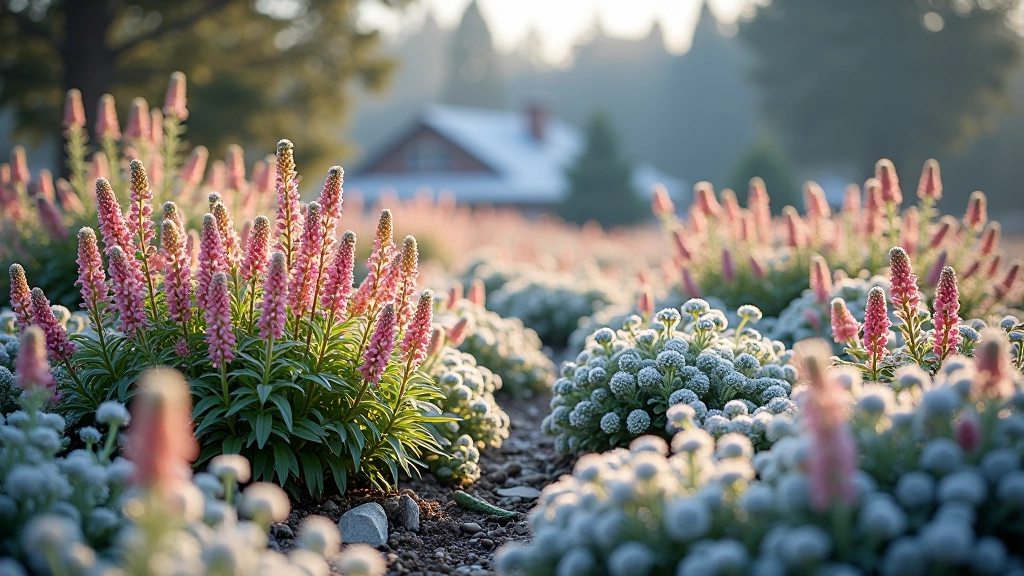
Selecting Perennials for Nordic Climates
Which varieties actually survive Pärnu winters. We've narrowed it down to the hardiest performers that also look good year-round.
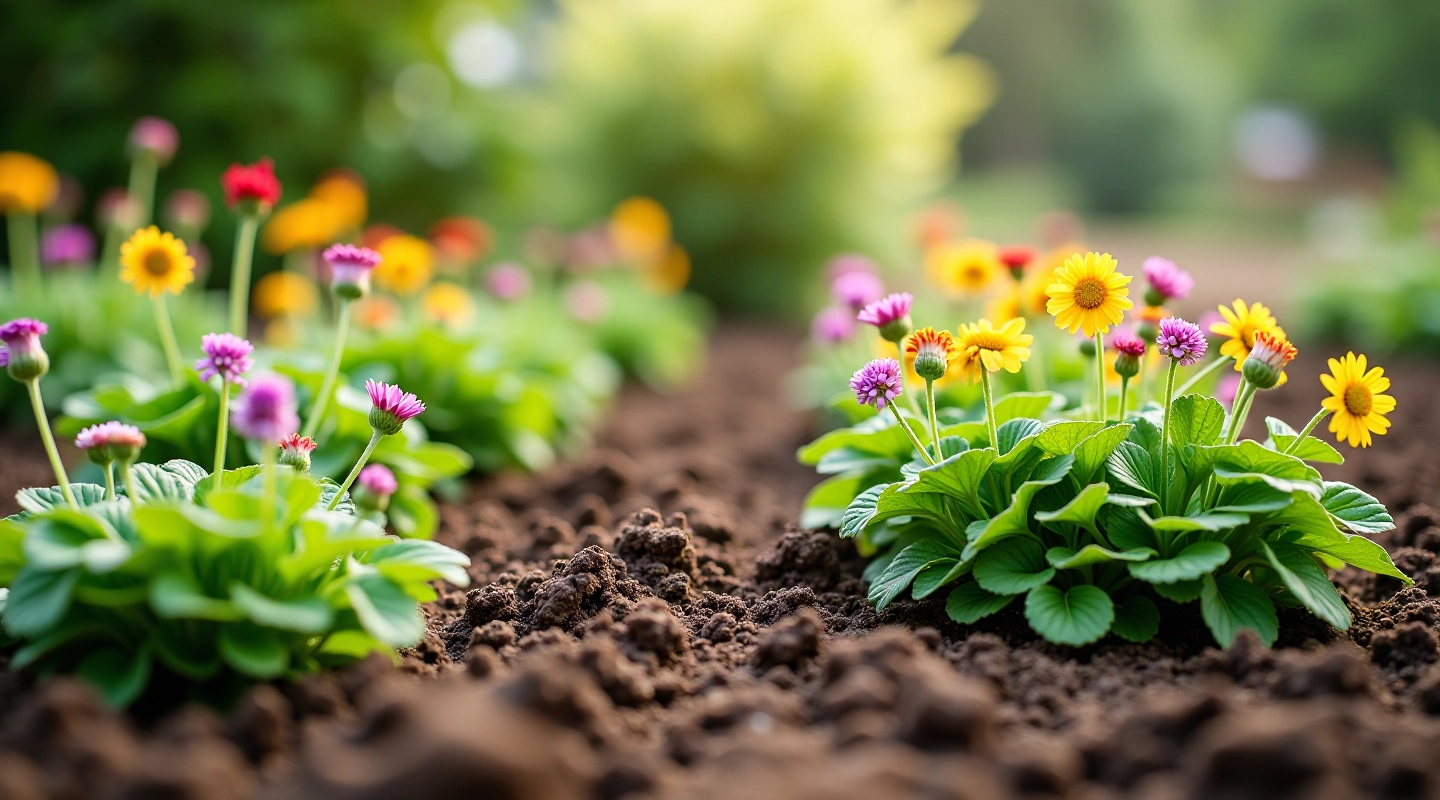
Pärnu's sandy, salt-exposed soils need specific treatment. Learn what amendments work, drainage considerations, and why organic matter matters more here than anywhere else.
The reality: You can't just plant perennials in coastal soil and hope. Maritime conditions mean salt spray, sandy texture, and nutrient depletion. But the good news? Once you understand what's happening underground, you can fix it.
Maritime gardens face challenges inland gardens don't. Salt spray from the Baltic settles on everything — including your soil. Over time, this raises soil pH and creates an environment that stresses most perennials. Add in Pärnu's naturally sandy soils (which drain fast but hold almost no nutrients), and you've got a real problem.
The key isn't fighting your soil. It's working with what you've got. You'll amend it, build structure into it, and then maintain that structure year after year. It takes effort upfront, but once established, maritime gardens are surprisingly resilient.
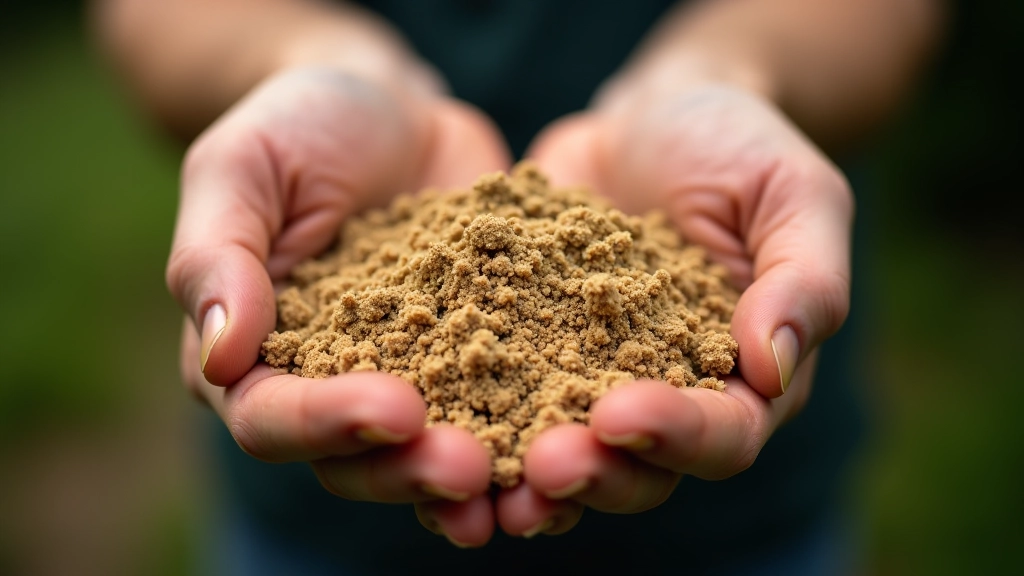
Don't guess. Get a soil test. You'll find out pH, nutrient levels, texture, and salt content. Most county agricultural centers in Estonia offer this service — it costs very little and gives you a baseline.
Maritime soils typically come back with pH above 7.0 (neutral to alkaline). You'll also see low organic matter — often below 2%, when 4-6% is ideal for perennials. And salt readings? They're almost always elevated if you're within 500 meters of the coast.
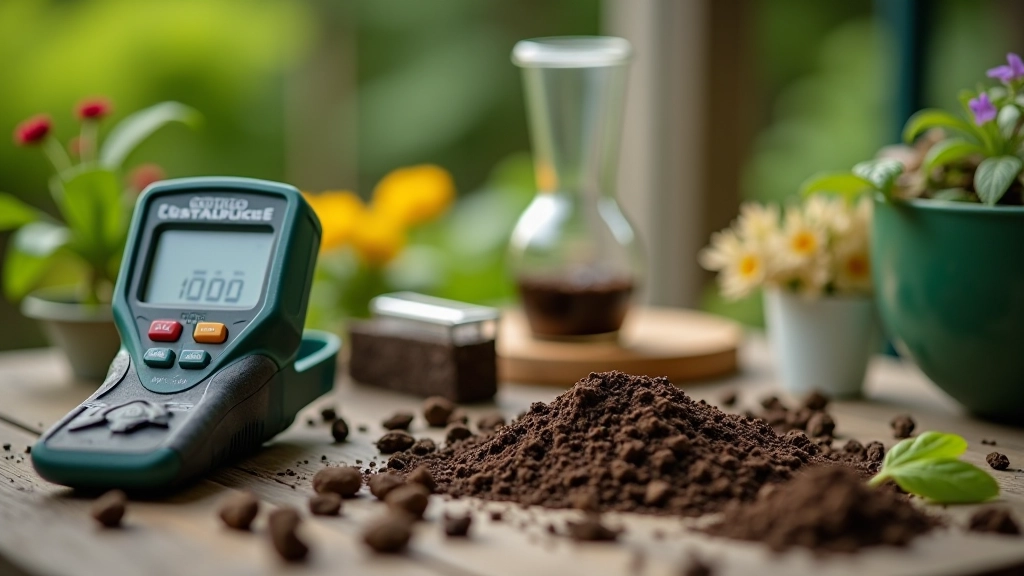
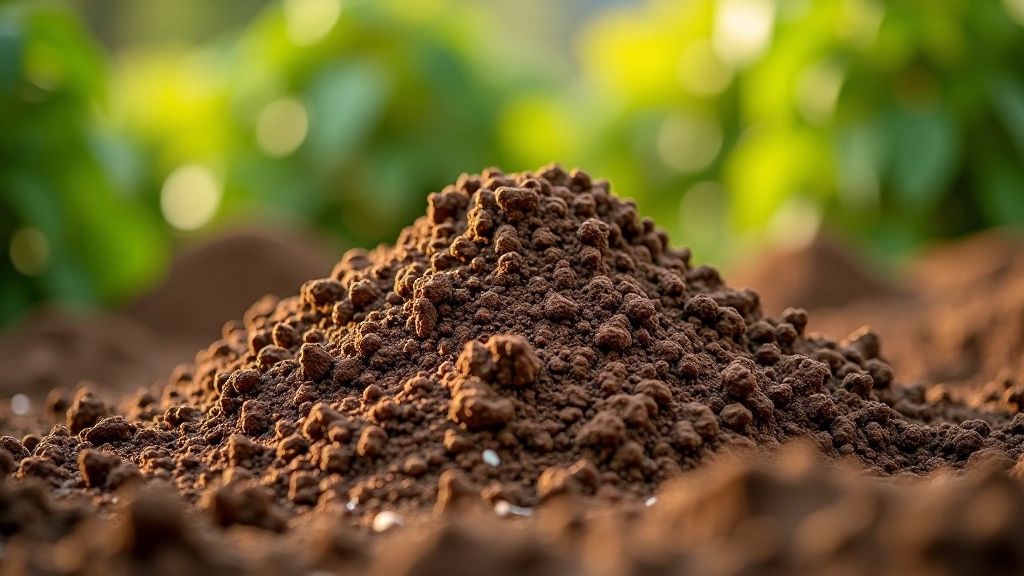
This is where you fix the problem. Organic matter does three things in sandy soil: it buffers pH changes, holds nutrients, and improves water retention. You're not trying to turn sand into clay — you're just giving it structure.
For maritime gardens, we recommend adding 4-6 inches of well-aged compost or peat moss mixed into the top 8-10 inches of soil. This isn't a one-time fix. You'll add more organic matter each autumn. Over three to five years, you'll notice real improvement in plant vigor.
What works: aged horse manure (from stables, not fresh), garden compost (at least 2 years old), commercial peat moss, coconut coir. Avoid fresh manure — it'll burn roots and introduce salt. You'll want amendments that've had time to break down.
Salt's the silent killer in maritime gardens. It accumulates in the root zone and stresses plants year-round. You can't eliminate it entirely, but you can manage it through drainage and leaching.
Here's the strategy: ensure your beds drain quickly after rain. Pärnu's sandy soils already drain fast, which is good — water moving through carries salt away from roots. But if you're in a low spot or on clay-heavy soil, you'll need to raise beds or add sand to improve drainage.
Pro tip: After heavy rain or winter thaw, that water draining through your beds is actually helping leach out accumulated salts. Don't fight it. Build beds slightly raised (6-8 inches) so water doesn't pool.
Mulching also helps. A 2-3 inch layer of wood chips or bark reduces salt spray settling directly on the soil surface. It's not a total barrier, but it makes a difference, especially on exposed sites.
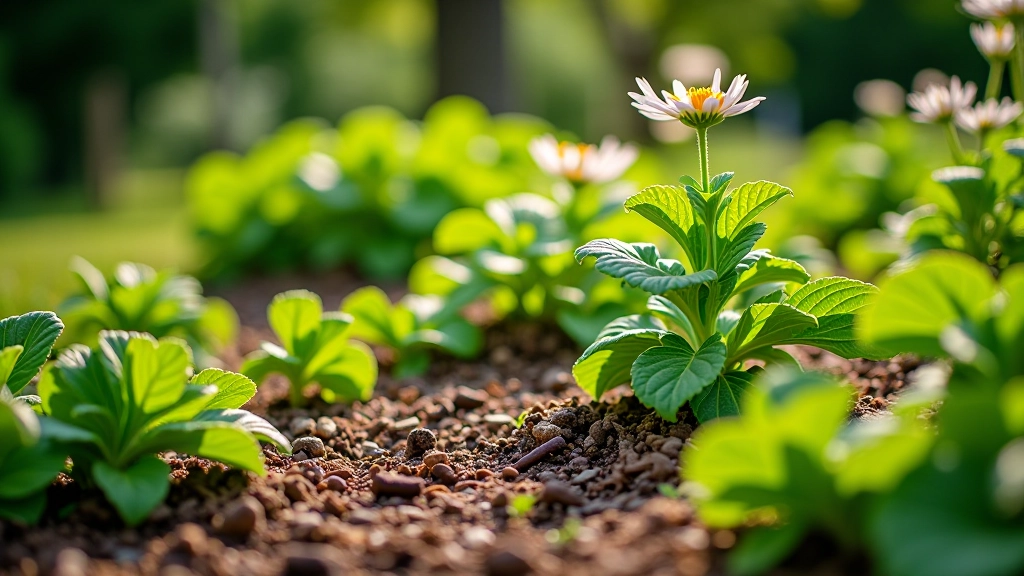
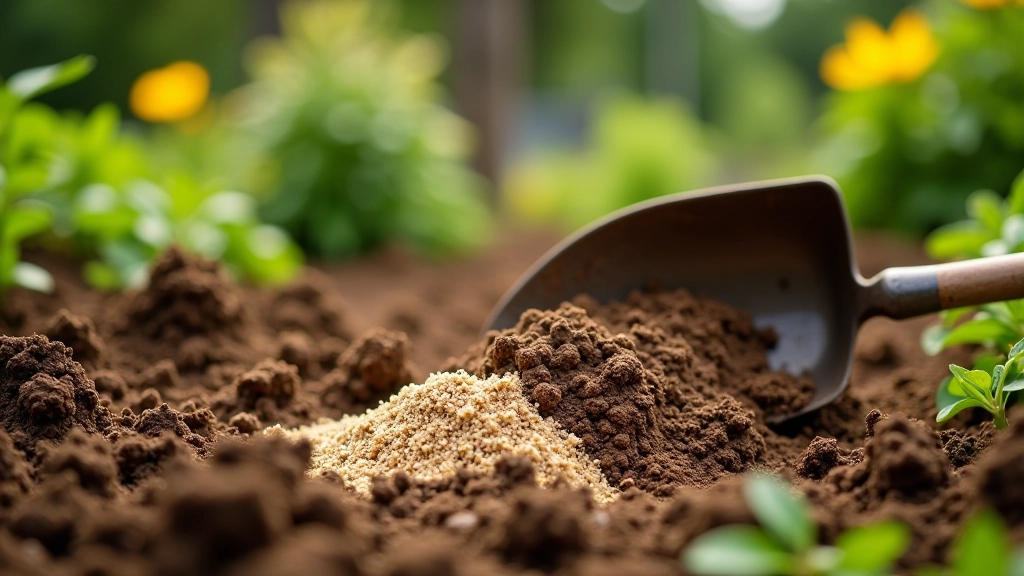
Salt pushes soil pH upward, making it harder for perennials to access certain nutrients. If your test shows pH above 7.2, you'll want to adjust it down slightly. Sulfur works well for this — it's slow-acting but effective in maritime conditions.
Apply sulfur at rates recommended by your soil test (typically 10-20 pounds per 1,000 square feet). It takes months to work, so apply it in autumn and expect changes by spring. Don't over-correct. You're aiming for pH 6.5-7.0, not acidic.
For micronutrients, coastal gardens often show iron and manganese deficiency. A balanced fertilizer applied each spring (not too much — follow label rates) helps. But honestly? Once you've built organic matter up to 4-5%, you'll see fewer deficiency symptoms.
Maritime soil preparation isn't glamorous. You're not building raised beds with fancy materials or installing irrigation systems. You're doing the unglamorous work of amending soil, testing, and adjusting. But here's what happens when you do it right: by year three, your perennials stop struggling. They grow vigorously. They handle salt spray better. They flower more reliably.
The investment pays off. Start with a soil test. Add organic matter. Manage drainage. Adjust pH. Then maintain it year after year. That's the approach that works in Pärnu's maritime conditions.
Your soil's going to improve. It just needs the right amendments and a little patience.
This guide provides general information about soil preparation for maritime gardens. Soil conditions vary significantly based on location, microclimate, and individual site factors. We recommend conducting a professional soil test through your local agricultural extension service before making major amendments. Plant health depends on many variables beyond soil preparation, including plant selection, watering practices, and local weather patterns. Results will vary by individual circumstances.

Editorial Team
Written by the giroquest editorial team, focused on clear, practical guidance for perennial gardening in Nordic climates.
Which varieties actually survive Pärnu winters. We've narrowed it down to the hardiest performers that also look good year-round.
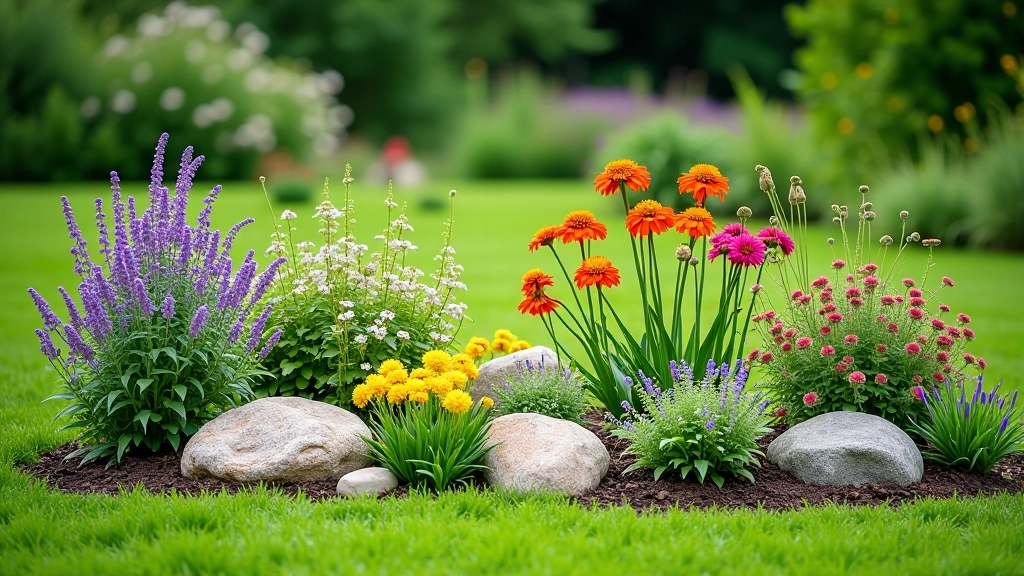
How to arrange plants so they complement each other visually and practically. In Pärnu's windy conditions, spacing and structure matter.

Month-by-month tasks that keep perennial beds healthy without constant fussing. A practical calendar for Pärnu's seasons.