
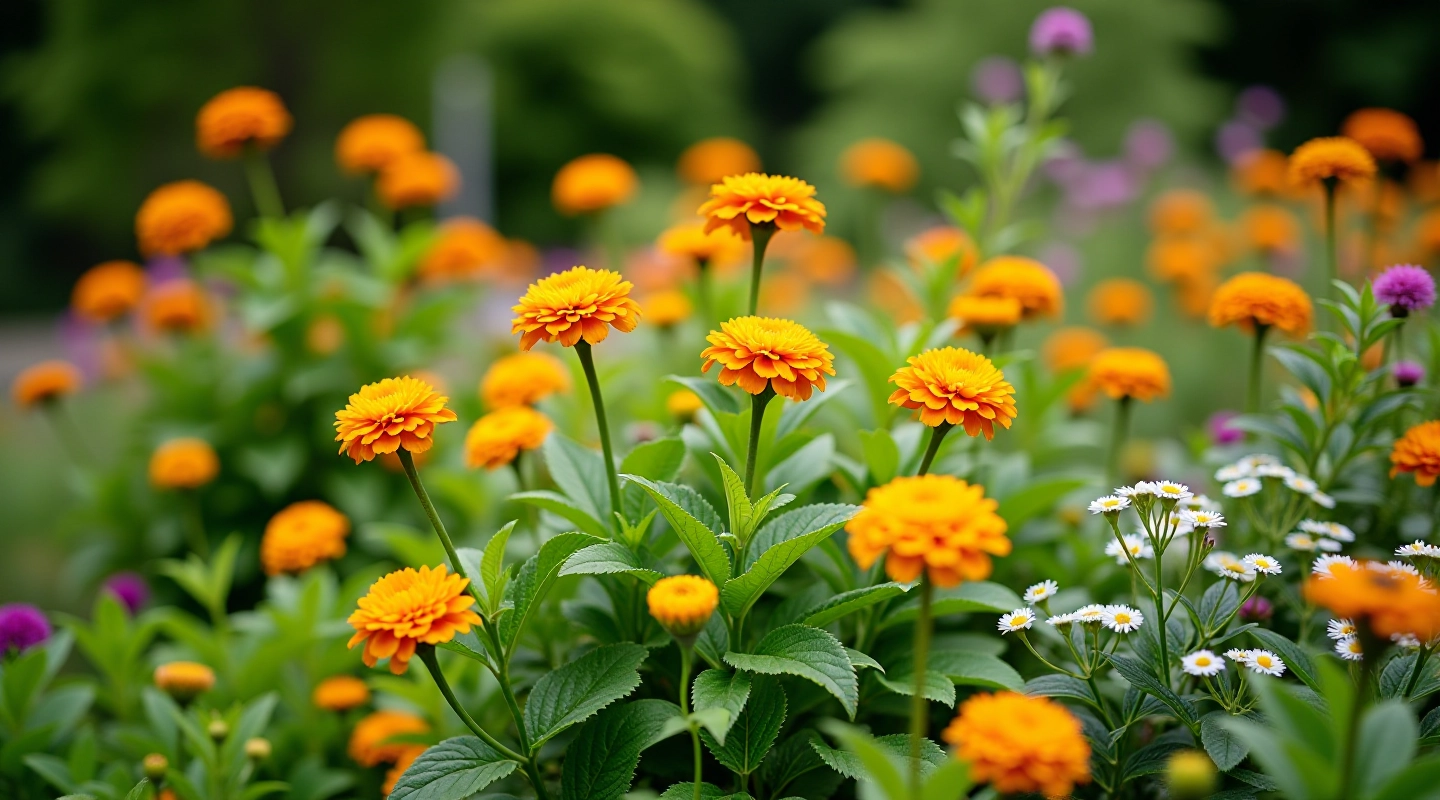
Perennial beds aren't really about constant work. That's the good news. It's more about knowing when to step in and what to do. Miss deadheading in June? Your plants still bloom. Forget to divide them for five years? They'll eventually tell you they're crowded. But timing matters. Do things at the right moment, and you'll spend less time fixing problems and more time enjoying what you've planted.
The key is understanding your climate zone. Here in Estonia, we're working with a short growing season, unpredictable springs, and cold winters that demand respect. But that doesn't mean complicated. It means strategic.
Spring: The Cleanup and Awakening Phase
Spring in Pärnu arrives slowly. Late March and April are when you'll finally see bare soil. This is your moment. Don't rush it—wait until soil is workable, not waterlogged. You'll know when it's ready: dig a small hole; if it crumbles in your hand rather than clumping, you're good.
Start by removing the protective mulch you laid down in autumn. Don't pile it up and discard it. Spread it around the garden as top-dressing. Then cut back last year's dead stems—everything that didn't get touched in fall. Cut perennials like coneflowers, black-eyed Susans, and ornamental grasses down to about 4-6 inches from the ground. Divvy hostas and daylilies now before they fully emerge.
Divide every 3-5 years. It's not complicated: dig up the plant, pull the crown apart (you'll see natural separation points), and replant divisions with good spacing. Spring division works because the plants have energy to recover before summer heat.

Spring To-Do List (March-May)
- Remove winter mulch when soil dries slightly
- Cut back dead stems and foliage (leave new growth alone)
- Divide overcrowded plants before they fully leaf out
- Edge beds and remove winter debris
- Apply fresh mulch 2-3 inches deep, keeping it away from plant crowns
- Plant new perennials while soil is cool and moist
Early Summer: Staking, Deadheading, and Support
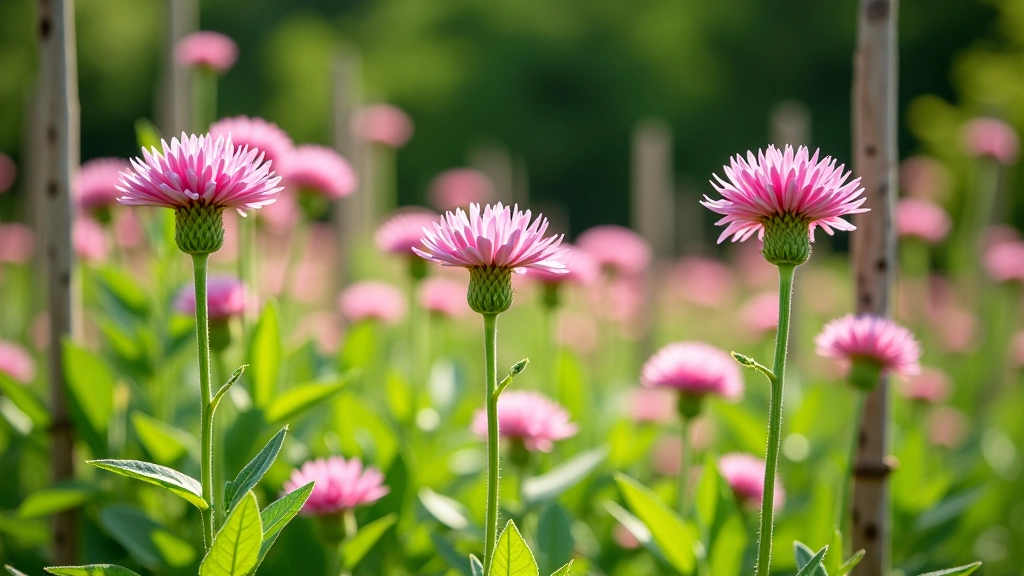
May and June are when your garden shows what it's made of. Plants are growing fast. Peonies are about to flower. Delphiniums are reaching for the sky. And here's where a lot of people panic: "Do I really need to stake everything?"
No. But tall, heavy-headed plants like peonies, dahlias (if you grow them), and some salvia varieties benefit from support. Stake early—before the plant gets tall and droopy. It's easier to guide growth than to prop up a collapsing stem in July. Use grow-through supports for clumpy plants; tie individual stems to stakes for structural types.
Deadheading starts now too. Remove spent flowers to encourage more blooms. You'll spend maybe 10 minutes every few days doing this, and you'll get three times the flowering. Coreopsis, salvia, daylilies—they all respond. Some plants (like sedum) you'll leave alone to enjoy their seed heads later. That's fine. It's your garden.
Staking Done Right
Stake in May, not July. By July the plant's already committed to growing floppy. Soft twine works better than wire—it won't cut stems. And here's a secret: shorter stakes that aren't visible look better than tall ones. You want the plant to look natural, just supported.
Mid to Late Summer: Watering and Heat Management
July and August. The growing season's peak. Your beds look full, everything's flowering, and then summer gets hot and dry. Or it doesn't. Estonia's summers are unpredictable. But you're prepared because you've chosen drought-tolerant plants, right? Coneflowers, black-eyed Susans, sedum, lavender—these laugh at dry spells once established.
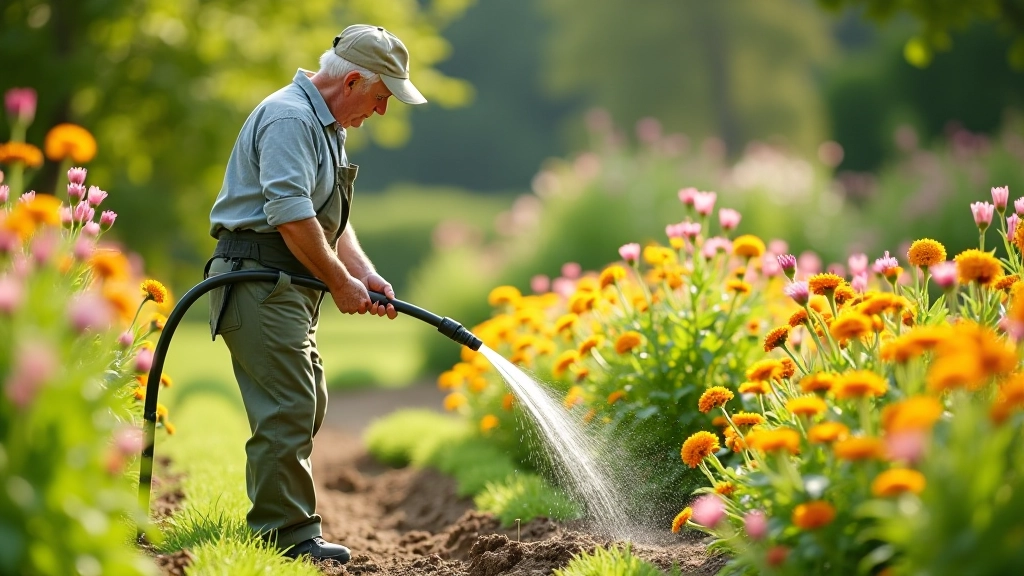
New plantings are different. Anything planted in spring needs consistent moisture through its first summer. Water deeply but less frequently—think once or twice weekly if there's no rain, not daily sprinkles. Daily watering encourages shallow roots. Deep roots find water below the surface.
Keep deadheading. It's meditative, honestly. And it keeps plants flowering through August. Mulch helps too—that 2-3 inch layer you applied in spring is still doing work, keeping roots cooler and soil moisture more consistent.
Autumn: Cleanup, Division, and Preparation
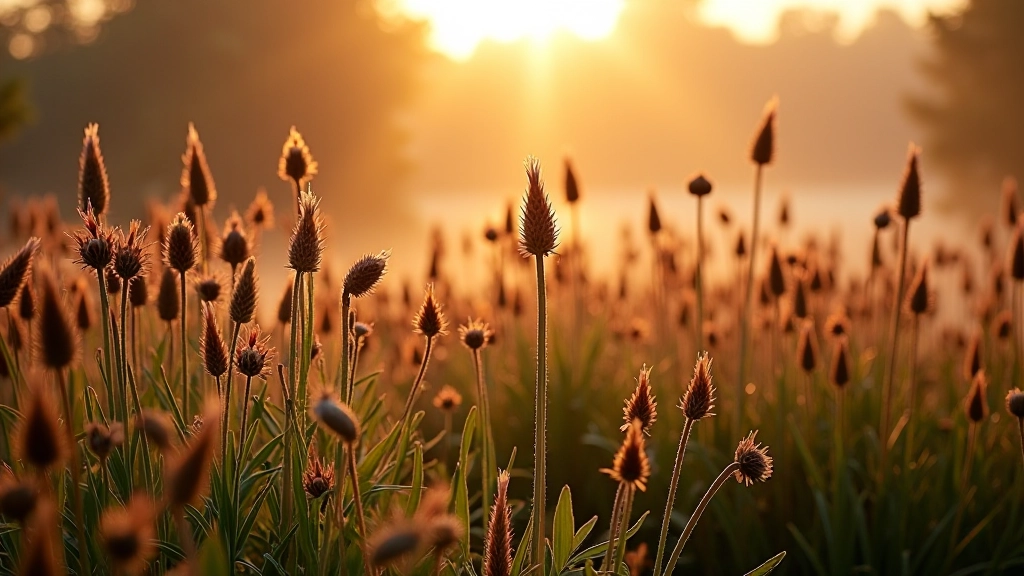
September and October. The garden's slowing down, but there's work to do. Cut back plants that look shabby—coneflowers, phlox, anything that's done flowering. But leave ornamental grasses and seed-head plants alone. They're beautiful now and they'll shelter insects over winter. Plus, they're easier to cut back in spring when new growth pushes them over.
Autumn is also division season—a second chance if you missed spring. Divide spring bloomers like hellebores and creeping phlox now so they settle in before winter. You've got maybe 4-6 weeks before the ground freezes, which is enough time for new roots to establish.
Plant spring bulbs now too. Tulips, crocuses, and muscari go in during October. They'll sit quietly in the cold, and you'll have flowers before anything else wakes up in spring. It feels like magic when it happens.
Autumn Tasks (September-November)
- Cut back summer bloomers that have faded completely
- Leave ornamental grasses and structural seed heads for winter interest
- Divide spring-blooming perennials and summer bloomers if needed
- Plant spring bulbs (tulips, crocuses, muscari) in October
- Remove fallen leaves from beds (they can harbor pests and disease)
- Prepare mulch layer for winter protection
Winter: Protection and Planning Ahead
November through March. The ground's frozen, the snow's coming, and your garden looks dormant. But it's not inactive—it's resting. Your job is protection. In November, once the ground freezes solid, apply 3-4 inches of mulch. Not too early (you don't want to encourage rodents to nest), but before the really hard freeze. Pine needles work great. Shredded leaves work. Even compost works.
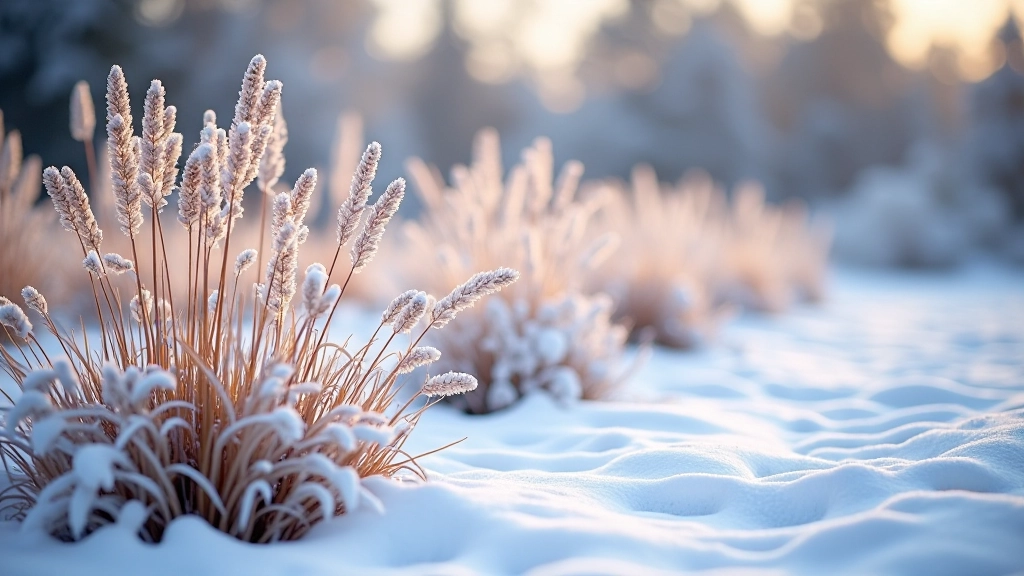
Don't worry about the ornamental grasses and dried seed heads you left standing. They're doing their job: catching snow (which insulates), providing winter structure, and feeding overwintering birds. And honestly? They're beautiful. There's a reason Japanese gardens celebrate winter stems.
This is also planning time. Look at your beds. Where did things get too crowded? What didn't flower as well as expected? What needs dividing? Make notes. Order seed catalogs (even if you buy plants, the pictures inspire you). Plan next year's layout. Spring will come faster than you think.
The Bottom Line
A year-round maintenance schedule sounds overwhelming until you realize it's just a few tasks per month, done at the right time. Spring cleanup and division. Early summer staking and deadheading. Mid-summer watering. Autumn cutback and bulb planting. Winter mulching and planning. That's it.
The real secret? Don't wait until something's a disaster to fix it. Divide plants before they're completely crowded. Stake early. Deadhead regularly. These small efforts spread throughout the year mean you're never caught with a crisis in July.
Your perennial beds aren't high-maintenance once they're established. They're low-drama if you respect the seasons and know what to do when. And honestly? That's why so many gardeners love them. You're working with nature's rhythm, not against it.
Disclaimer
This guide is informational and based on general perennial gardening practices in Nordic climates. Growing conditions vary by location, microclimate, soil type, and individual plant species. Specific timing and techniques may need adjustment based on your local conditions, weather patterns, and plant needs. For region-specific gardening advice, consult with local extension services or experienced gardeners in your area.